
How to Stop Playing Lucky Shots: Practical Steps That Actually Work
A no-judgement guide
If you’re reading this, you’ve already decided that Lucky Shots is no longer fun. This is what actually works — not ‘use willpower,’ which doesn’t, but specific operational steps that make playing impossible or expensive enough to stop.
Open Lucky ShotsRead our verdict
*Sign-up link is sponsored — see disclaimer.
On this page
Step 1: Self-exclusion via the platform
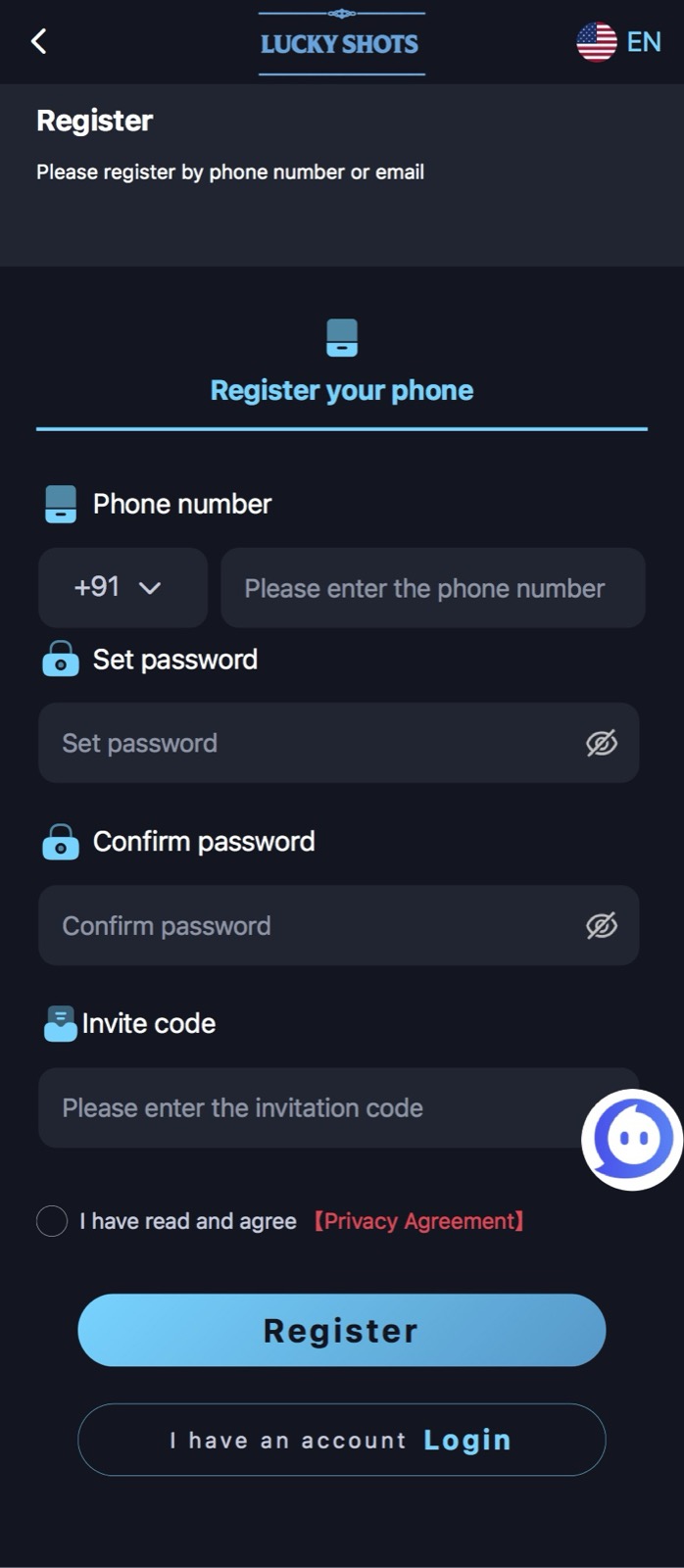
Lucky Shots offers a self-exclusion option that locks your account for a set period:
- Profile → Settings → Responsible Gaming → Self-Exclusion
- Pick: 30 days, 6 months, 1 year, or permanent
- Confirm. The account is locked. No deposits, no logins, no play.
- Cannot be reversed before the period ends.
Note: self-exclusion is per-account. If you create another account, you can play. The next steps prevent that.
Step 2: Remove the access
- Uninstall the app from all devices.
- Clear browser bookmarks and saved passwords for the site.
- Block the domain via your router’s parental controls, or via Cold Turkey / SelfControl on desktop.
- Block on phone: Settings → Screen Time (iOS) or Digital Wellbeing (Android) → block the website.
Step 3: Remove the financial path
The fastest way to make play impossible is to remove the deposit method:
- Delete saved UPI handles from the platform (Profile → Wallet → Linked UPI → Remove).
- Set a UPI transaction limit at your bank that’s lower than the minimum Lucky Shots deposit.
- If multiple cards: lock the card you’ve used for deposits via your bank’s app.
Step 4: Tell someone
Telling one person you trust that you’re trying to stop dramatically increases adherence. It doesn’t need to be dramatic — just one person who knows.
If you need professional help
The signs that you might benefit from professional support:
- Hiding play from family or partner
- Borrowing money to play
- Playing more after a loss to “win it back”
- Anxiety or low mood between sessions
- Thinking about it during work or sleep
In India, the National Institute of Mental Health and Neurosciences (NIMHANS) Bangalore has a Behavioural Addictions clinic with experience treating gambling disorder. Many state psychiatric hospitals also offer free OPD consultations.
What does NOT work (and is worth ignoring)
- “I’ll just play smaller amounts.”
- “I’ll only play on weekends.”
- “I’ll quit after I win back my losses.”
- “I have a system.”
The relapse-proof move
Permanent self-exclusion + removing the deposit method + telling someone = 3-layer protection. Single layers fail. Three layers don’t.